

Fibromyalgia is a complex pain syndrome with no known cause or cure. On average, it takes three to six years to diagnose it, and almost four different doctors to do so.
When a condition makes you feel powerless, it’s natural to look for what you can control to improve your symptoms and your overall health. For many people, food is the first place they look.
Search for a fibromyalgia diet, and you’ll find long lists of foods to cut: gluten, dairy, sugar, coffee, and tomatoes. It’s easy to end up unsure what you can actually eat.
Fibromyalgia causes widespread pain, along with fatigue, poor sleep, and brain fog. Your nervous system is hyper-responsive, which increases pain and other signals. About 1.4% of people have fibromyalgia, and most of them are women.
No diet has been proven to treat fibromyalgia, and the leading rheumatology treatment guideline doesn’t include diet in its recommendations. However, food still has a role. An anti-inflammatory diet for fibromyalgia matters because it helps prevent other health conditions and doesn’t require you to cut foods out.
In this article, we will cover what the research says about fibromyalgia and inflammation, which foods to build your week around, what to limit, and common co-occurring conditions that may require dietary changes.
Want the list now? Jump to the free anti-inflammatory food list PDF.
Is Fibromyalgia an Inflammatory Condition?
No, not like inflammatory diseases such as rheumatoid arthritis, which involve inflamed joints and clearly elevated inflammatory markers.
Fibromyalgia is primarily a condition involving altered pain processing in the central nervous system, making people more sensitive to pressure, light, sound, and pain. Researchers are investigating whether inflammation and immune-system changes play a role. Other research has linked common symptoms, like poor sleep and low mood, to higher inflammation.
Anti-inflammatory pain relievers like ibuprofen generally aren’t effective for fibromyalgia. A review of six trials found they worked no better than a placebo, and the leading treatment guidelines don’t recommend them as a routine solution.
Research on inflammatory markers is mixed. Across 18 studies, C-reactive protein (CRP), a blood marker of inflammation, ran slightly higher in people with fibromyalgia. Other markers, like IL-6, didn’t increase. You can read more about CRP in What Is Chronic Inflammation?
However, these inflammatory markers aren’t specific enough to diagnose fibromyalgia. Researchers are studying inflammation in the brain and nerves, but it’s still too early to conclude, highlighting how complex it is to diagnose, understand, and treat fibromyalgia.
For fibromyalgia, anti-inflammatory means building meals around nutritious foods linked to better health and lower inflammation across conditions, without assuming food can cure fibromyalgia or its pain. The goal is improvement with a sustainable eating pattern.
Fibromyalgia and Menopause
Fibromyalgia and menopause share many similar symptoms, including aches, fatigue, brain fog, and poor sleep. For many women, the menopause transition is when fibromyalgia symptoms worsen. Maybe it was managed well enough before, but hormonal changes and sleep disruption can throw that balance off.
In a 2026 study of 169 women with fibromyalgia, average age 49, those with more severe fibromyalgia also had more severe menopause symptoms. For about half of them, fibromyalgia started before menopause. For about 20%, menopause and fibromyalgia started showing symptoms at the same time, suggesting an overlap between the two.
Sleep is one area to focus on. Both conditions can disrupt sleep, and poor sleep and chronic pain can reinforce each other. If hot flashes or nighttime waking are affecting your sleep, my articles on poor sleep and inflammation in midlife, and on hot flashes and inflammation, offer practical strategies to explore.
If you’re experiencing new or worsening pain, fatigue, or sleep problems in your 40s or 50s, talk with your healthcare provider. Menopause may contribute to some symptoms, but a proper assessment can help identify other causes and appropriate treatments. For practical nutrition guidance during midlife, start with my anti-inflammatory diet guides for perimenopause and menopause.
Is There a Best Diet for Fibromyalgia?
As is the case with many health conditions, no best diet or eating plan has been researched extensively for fibromyalgia. The leading treatment guideline didn’t rate diet at all, and reviews of the diet studies find the evidence too weak to recommend one diet over another. Most of the diet trials have fewer than 100 people and are short-term (a few weeks to a few months).
However, that doesn’t mean there isn’t a beneficial way to eat for overall health. We can apply diet research from fibromyalgia and other health conditions to create a long-term, sustainable anti-inflammatory eating pattern that helps!
Some eating patterns do lean in a helpful direction. Plant-forward eating has shown the most consistent results. The largest trial of a Mediterranean diet for fibromyalgia so far followed 81 people with an average age of 52. After one month, they had less pain than those on a general balanced diet. A review of 36 studies summarized this: no specific diet therapy exists for fibromyalgia, but fruits, vegetables, high-fiber foods, quality protein, and healthy fats seem helpful.
No single treatment works for everyone. Even approved prescription medicines cut pain in half for only about 1 in 4 people, which is why small, combined changes like movement, sleep, and how you eat are worth it.
Food is only one piece. The guideline strongly recommends exercise as treatment. Start at a manageable level and build slowly, since doing too much too quickly can aggravate symptoms for some people with fibromyalgia. My article, “Factors Beyond Food,” covers the combined benefits of movement, sleep, and stress management.
Foods to Eat With Fibromyalgia: Build From the Base Up
When researchers compared the diets of 287 people with fibromyalgia to nearly 2,000 healthy people, those with fibromyalgia ate much less dairy, whole-grain bread and cereal, fresh fruit, and fish. The best fibromyalgia foods to eat are often the ones missing from your diet.
This pyramid shows the five types of anti-inflammatory foods to focus on each week. Start with the foundation at the bottom, then build upward, aiming for all four parts at each meal: Protein, Fiber-Rich Carbohydrates, Healthy Fats, and Colorful Fruits and Vegetables.

Plant Foods: Fruits and Vegetables
Berries, citrus, leafy greens, peppers, and tomatoes form the foundation. People with fibromyalgia tend to eat less fresh fruit and get less vitamin C and magnesium. Some lists say to avoid tomatoes and peppers, but no study has tested that in fibromyalgia.
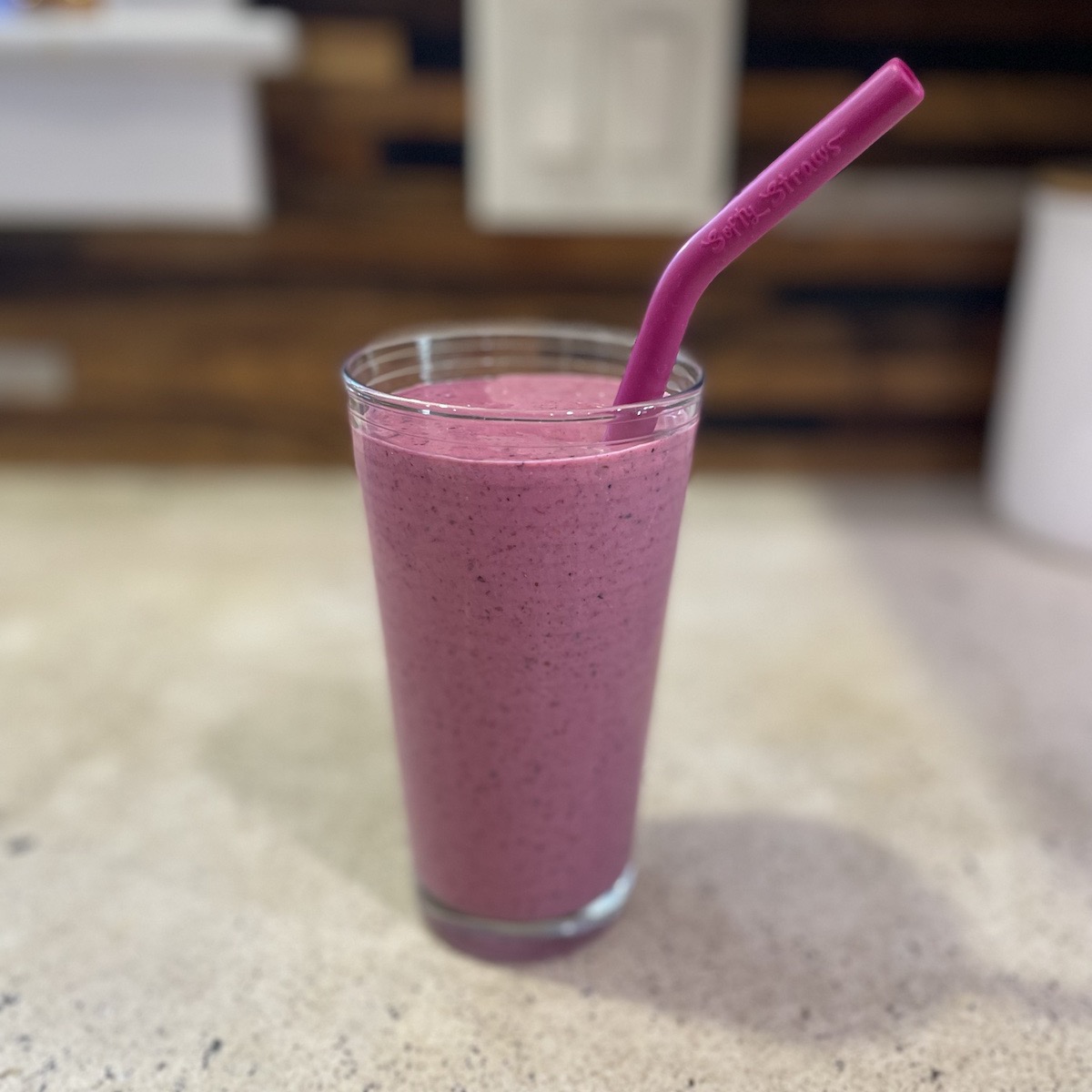
How to use it: frozen berries and bagged or frozen vegetables count, and they’re easier on low-energy days. Stir frozen berries into your oatmeal, or blend my Berry Powerful smoothie.
Fiber-Rich Carbs: Whole Grains and Legumes
Oats, whole-grain bread, brown rice, farro, beans, and lentils are great additions. In that same study of more than 2,000 people, 62% of those with fibromyalgia ate bread or cereal most days, compared with 73% of healthy people. Beans and lentils were low for nearly everyone: most people in both groups ate them only once or twice a week.
Wheat doesn’t have to be avoided, either. In one small trial of 20 people, those with fibromyalgia ate wheat products every day and still improved, and they improved more with the ancient grain Kamut (Khorasan wheat) than with modern wheat. I have a local bakery that sells Kamut flour and breads, and my family loves the taste.
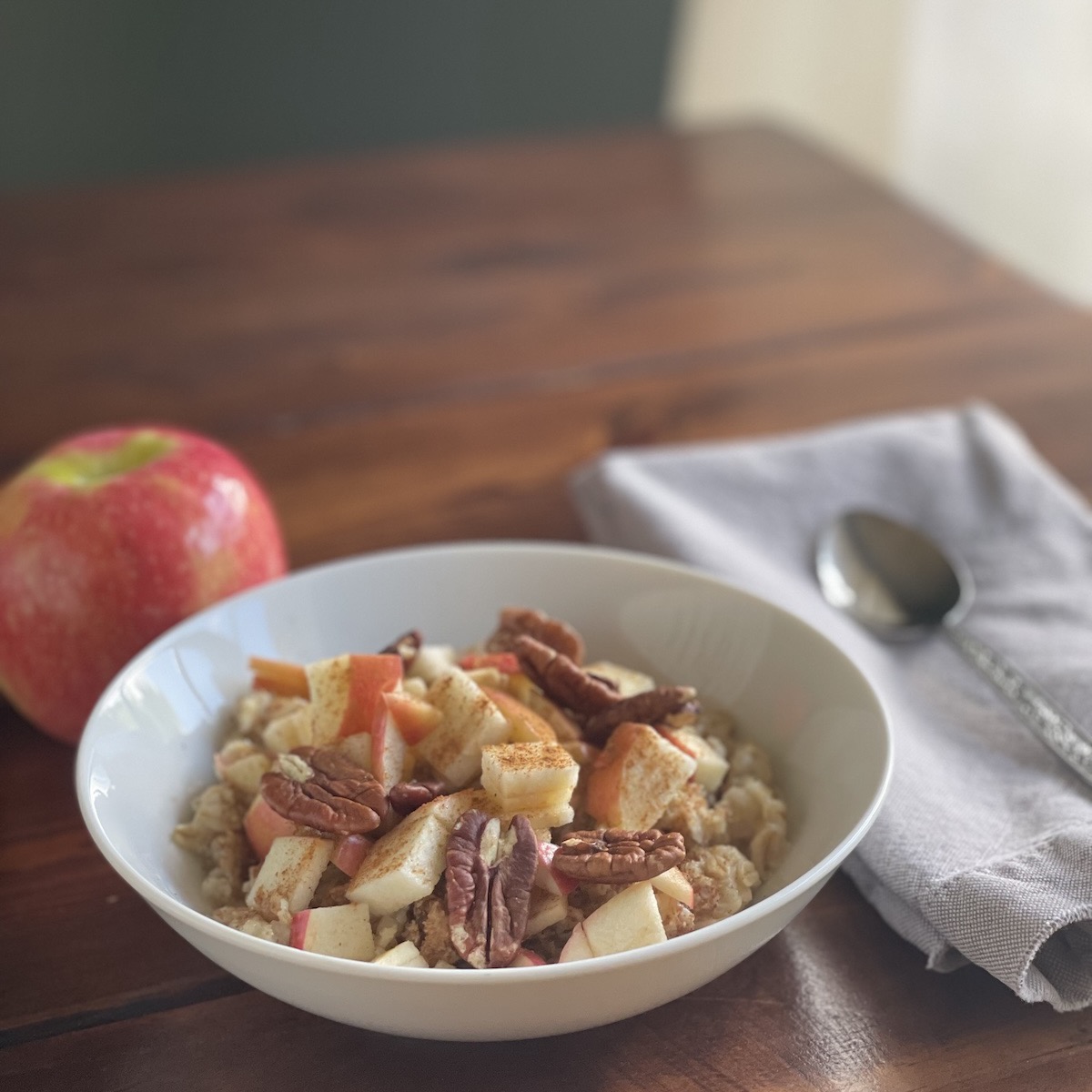
How to use it: swap one refined grain a day for a whole grain, like oatmeal in five minutes at breakfast. Canned beans need no cooking.
Protein Foods
Include salmon, sardines, Greek yogurt, kefir, beans, chicken, and eggs. Dairy is the biggest gap: people with fibromyalgia had about a third of the odds of eating it, and they ate less fish too. A simple year-long program helped people add more fish, beans, and yogurt.
How to use it: include a protein at every meal. Canned salmon or sardines and Greek yogurt need no cooking, which helps on hard days.
Healthy Fats: Omega-3s and Unsaturated
Extra virgin olive oil, nuts, seeds, and avocado, plus the fish above, all count. In a small three-week trial of 23 women, extra virgin olive oil improved fibromyalgia scores more than refined olive oil. Nuts and seeds also provide magnesium; lower magnesium levels have been linked to worse sleep and pain.
How to use it: cook with extra virgin olive oil and use it in dressings, like the vinaigrette on my Mediterranean chickpea salad. Keep a handful of nuts or seeds for snacks, or sprinkle them on oatmeal or yogurt.

Herbs, Spices, Tea, and Coffee
Turmeric, ginger, garlic, cinnamon, green tea, and coffee make up the smallest layer. No study has tested spices as food in fibromyalgia, but they add flavor and plant compounds (more in my top 10 weekly foods). Cutting caffeine hasn’t consistently eased pain, so your usual coffee or tea can stay. Just go easy on the added sugar. If you find caffeine bothers you, skip it.
How to use it: season with the herbs and spices you already like; they add lots of flavor and help you eat more of these anti-inflammatory foods.
You don’t need to change everything at once. Pick one layer to focus on this week, and if it’s a low-energy week, lean on simple snacks and low-prep meals. See my guide for the first steps to starting an anti-inflammatory diet.

Free Printable: Foods to Eat With Fibromyalgia
Want these foods where you’ll see them? My free anti-inflammatory food list PDF has the same five-layer pyramid, a full list of foods to eat more often, a simple grocery guide, and easy meal ideas. Stick it on the fridge or take it to the store.
Want a full week of meals built the same way? Try my 7-day anti-inflammatory meal plan.

Foods to Avoid With Fibromyalgia (or Just Eat Less Often)
No single food has been proven to make fibromyalgia worse. The foods to limit are the same ones that work against your health in general when eaten in excess: ultra-processed foods, sweets and sugary drinks, fried foods, and processed meats.
In one small study, ultra-processed foods made up about a third of the calories people with fibromyalgia ate, compared with about a quarter for people without it. More inflammatory eating patterns have also been linked to higher pain scores. These studies show only a link, and on some days, pain and fatigue can make convenience foods a realistic option.
Convenience foods can be anti-inflammatory too. My list of the best anti-inflammatory snacks to buy and salad kits can make low-energy days easier.
Remember it’s the overall pattern, so think of your eating over a week rather than one day. For easy trades, see my anti-inflammatory food swaps.
Some conditions that often come with fibromyalgia do call for specific food changes. That’s next.
When Another Condition Comes Along With Fibromyalgia
No diet is proven for fibromyalgia, but some health conditions that co-occur with it have diet evidence. If you have one, follow that condition’s diet with help from your doctor or a dietitian; these diets can be challenging at first.
IBS
Irritable bowel syndrome (IBS) is a condition closely linked to fibromyalgia. The two share much of their genetic risk, according to a study of 2.5 million people, and about 1 in 8 people with IBS has fibromyalgia.
For IBS, the low-FODMAP diet has the most evidence of any diet for improving symptoms, across 28 trials. It limits certain carbohydrates that ferment in the gut, then adds foods back to find your personal triggers so that you can remove only those foods.
The low-FODMAP diet is intended as a short-term trial, followed by reintroduction and personalization. A dietitian can help you identify triggers while keeping your diet as varied as possible.
Celiac Disease
About 1 in 5 people with celiac disease also has fibromyalgia. For celiac disease, the treatment is a strict gluten-free diet for life.
If you suspect celiac disease, get tested before you cut gluten. Testing needs gluten in your diet to be accurate. My Hashimoto’s article covers this too.
Fibromyalgia Diet FAQ
Should I Go Gluten-Free For Fibromyalgia?
Not unless you have celiac disease or a diagnosed sensitivity. In a trial, 75 people who already had gluten-related symptoms did no better on a gluten-free diet than on a simple lower-calorie diet. In women with both IBS and fibromyalgia, going gluten-free helped only those whose gut biopsy showed inflammation.
What About the Low-FODMAP Diet?
It may help if you also have IBS. In 38 women, most with gut problems, pain eased over four weeks, but there was no comparison group. In another trial, a diet that cut gluten, dairy, added sugar, and ultra-processed foods, with low-FODMAP for the first month, improved symptoms, but it changed so much at once that no one can say which part helped.
Should I Avoid MSG and Aspartame?
Probably not, for most people. But MSG and aspartame rarely appear in foods recommended on an anti-inflammatory diet, so you will likely consume less by default. In 72 women, cutting both for three months didn’t change pain. In a small group with both fibromyalgia and IBS, though, MSG brought symptoms back for people who had improved without it. It’s worth noticing for yourself.
What About Vitamin D, Magnesium, or Other Supplements?
Ask your doctor to check your vitamin D levels. Supplements seem to help mostly when levels are low. Magnesium and CoQ10 studies are small and mixed. In one trial, fatigue improved more with placebo than with the supplement. Check with your doctor or pharmacist to make sure it’s safe with your medicines.
Do I Still Need My Doctor?
Yes. Food works alongside your care. Leading guidelines say good care starts with a prompt diagnosis and clear information about the condition, including written materials you can take home. From there, it focuses first on non-drug options like exercise, with other treatments added as needed.
Takeaways
No diet has been proven to treat fibromyalgia, but an anti-inflammatory eating pattern supports your overall health without requiring you to avoid foods altogether.
Start from the base of the pyramid: build your meals around fruit, vegetables, whole grains, beans, fish, yogurt, and olive oil before cutting anything.
Prioritize movement that feels good and aim for healthy sleep routines. Exercise is the treatment with the strongest evidence.
Give it time. See how long the anti-inflammatory diet takes to work.