

During perimenopause, fluctuating hormone levels may have made your body feel unpredictable for four to eight years. Menopause is a single point in time, reached after 12 months without a menstrual period, and usually occurs between ages 45 and 55. Afterward, hormone levels are generally lower and more stable.
You may wonder how eating changes after menopause and what those changes mean for your next 30 years. I haven’t reached menopause myself, but I’m a registered dietitian with 17 years of clinical nutrition, counseling, and research experience. This guide focuses on foods that support bone and heart health, preserve muscle, help keep blood sugar stable, and what a realistic day of eating can look like.
This article provides general menopause and nutrition information, not an individualized treatment plan.
What Changes After Menopause?
The biggest change after menopause is a drop in hormones, particularly estrogen and progesterone, and what that does to the rest of the body.
Estrogen was doing jobs throughout your life you probably never noticed. It helped deliver glucose to your muscles, which supported steadier blood sugar and some protection against insulin resistance.
Bone loss speeds up around the final menstrual period. SWAN followed 862 women and found that bone loss began about a year before the final period and slowed about two years afterward. Over the decade around menopause, women lost about 10.6% of bone density in their spine and 9.1% at the hip.
Over time, bone loss can lead to osteoporosis. Among US women aged 50 and over, about one in five has osteoporosis and about half have low bone mass.
Osteoporosis weakens bone structure and strength, which raises the risk of fracture. And one fracture makes the next more likely. Among 377,561 women who broke a bone, 10% broke another within a year and 31% within five.
Muscle gets harder to maintain, though researchers are still working out how much of that is menopause and how much is normal aging. Body composition also shifts even when the scale doesn’t move much. Inflammation markers also tend to rise across the transition, and a 2024 review found that inflammation and body fat are both higher after menopause than before.
None of that is a personal failure. It’s a different stage of life with different demands, so this is a good time to fill your plate a little more intentionally.
Can an Anti-Inflammatory Diet Help After Menopause?
Yes, although research specifically in postmenopausal women is less expansive than you might expect.
A systematic review of seven Mediterranean diet trials involving about 525 menopausal women found improvements in weight, blood pressure, triglycerides, total cholesterol, and LDL cholesterol. However, the studies were small and mostly lasted only a few months, but still promising.
Broader evidence is stronger. In a trial of 7,447 adults at high cardiovascular risk, Mediterranean-style eating reduced major cardiovascular events by about 30% compared with a low-fat diet. The study wasn’t limited to postmenopausal women, but its results matter as cardiovascular risk rises after menopause.
Observational research also links less-inflammatory eating patterns to lower fracture risk, lower inflammatory markers, better cognitive scores, and less severe menopausal symptoms.
The quick basics of this eating pattern include:
- Build meals around vegetables, fruit, beans, minimally refined whole grains, nuts, and seeds.
- Use extra-virgin olive oil as your primary added fat and eat fish regularly.
- Choose red and processed meats, refined grains, sweets, and highly processed foods less often.
If you would like help putting that into practice, my step-by-step guide to starting an anti-inflammatory diet simplifies the process without making it restrictive or rule-based.
The goal isn’t a quick fix. It’s to build a long-term eating pattern that supports your heart, bones, muscles, brain, and blood sugar.
Best Foods to Eat After Menopause: Four Priorities
I build meals from four simple parts: protein, fiber-rich carbohydrates, healthy fats, and colorful fruits and vegetables. The plate method below shows how they fit together.

Those four parts don’t change after menopause. What changes is what you’re asking each one to do. Here are the four priorities to keep in mind as you fill your plate.
Calcium- and Vitamin D-Rich Foods for Bone Health
Calcium and vitamin D work together to support bone health, but focus on food sources first.
One meta-analysis of randomized trials in postmenopausal women found that combined calcium and vitamin D interventions reduced hip-fracture risk by about 14%. In subgroup analyses, fortified dairy foods improved total and lumbar-spine bone density, while supplements alone did not.
The Bone Health and Osteoporosis Foundation recommends 1,200 mg of calcium daily for women 51 and older and 800 to 1,000 IU of vitamin D daily for adults 50 and older. Start with food, then use supplements to fill a documented gap or treat a deficiency with guidance from your healthcare provider.
Vitamin K activates proteins involved in bone mineralization, but research on vitamin K2 supplements remains inconsistent. Instead, get vitamin K from foods such as leafy greens, broccoli, fermented foods, and certain cheeses.
Calcium sources: Milk, yogurt, kefir, calcium-fortified soy milk, canned salmon and sardines with the bones, calcium-set tofu, white beans, almonds, and leafy greens.
Vitamin D sources: Salmon, trout, sardines, fortified milk or soy milk, fortified yogurt, UV-exposed mushrooms, and egg yolks.
Fiber and Healthy Fats for Heart Health
Cardiovascular risk increases after menopause, making heart health one of the most important long-term priorities.
The menopause transition raises your risk of metabolic syndrome, insulin resistance, and unfavorable cholesterol changes. Although research specifically in postmenopausal women remains limited, Mediterranean and DASH eating patterns can improve total and LDL cholesterol and support blood-vessel function, and may help lower inflammation, although results are mixed on the DASH diet.
If your blood pressure is starting to rise, my 7-Day Diet Plan for High Blood Pressure in Midlife puts DASH into a week of meals.
Most women fall short on fiber. Higher intake supports cardiovascular health, while soluble fibers such as the beta-glucan in oats and barley can help lower LDL cholesterol. Fiber-rich diets may also reduce chronic inflammation, although results vary.
The recommended intake is 25 grams per day for women 50 and younger and 21 grams for women 51 and older. That is a baseline, not a maximum. Recent USDA data show that women over 50 average about 14 grams daily, about a third short of the target.
For fats, emphasize extra-virgin olive oil, nuts, seeds, avocado, and fatty fish. Long-term studies consistently link higher fish consumption to lower cardiovascular risk.
Fiber sources: Beans, lentils, oats, barley, berries, pears, chia and ground flaxseed, and whatever vegetable you’ll actually eat.
Healthy fat sources: Extra virgin olive oil, walnuts, almonds, avocado, chia and flaxseed, and fatty fish like salmon, sardines, and trout.
Protein-Rich Foods to Preserve Muscle
Muscle preservation requires both protein and resistance training, which is also a personal goal for me this year. Spread protein across the day instead of consuming most of it at one meal.
A review of trials in postmenopausal women found that protein improved strength and lean mass when paired with resistance training, but not when consumed without the training.
A cross-sectional study of 5,652 postmenopausal women associated 1.0 to 1.2 grams of protein per kilogram and resistance exercise at least twice a week with stronger grip strength and lower odds of weakness. Resistance exercise had the stronger association.
For a 170-pound woman, that protein range equals approximately 77 to 93 grams per day. Divided across three meals, that is about 25 to 30 grams at each meal.
Protein sources: Greek yogurt, cottage cheese, eggs, chicken, fish, tofu and tempeh, lentils, beans, edamame, and nuts and seeds.
Balanced Carbohydrates for Blood Sugar
Blood sugar can become harder to manage after menopause. Lower estrogen affects glucose uptake in muscle, while the menopause transition raises the risk of insulin resistance and metabolic syndrome.
Carbohydrates are not your enemy, but their quality and the rest of the meal matter. Choose fiber-rich carbohydrates and pair them with protein or healthy fat. Eliminating carbohydrates is unnecessary for most women and hard to sustain.
I explain this in more detail in my guide to insulin resistance in midlife.
Carbohydrate sources: Oats, barley, quinoa, farro, whole grains, beans and lentils, sweet potatoes, winter squash, berries, apples, bananas, and pears.
Foods to Limit After Menopause
This is a short list because most of it hasn’t changed from the full version in my anti-inflammatory food list.
Alcohol deserves extra attention. A meta-analysis of 22 prospective studies covering 45,350 breast cancer cases found that postmenopausal breast cancer risk increased about 11% for every additional 10 grams of alcohol per day (which is less than one standard drink). Higher intake is also associated with greater fracture risk. Apparent bone benefits at low intake come from observational studies and are not a reason to drink.
Sugar-sweetened beverages are another useful change. In a prospective study of 64,850 postmenopausal women, drinking two or more servings per day was associated with a 43% higher risk of developing diabetes compared with drinking less than one per week. A statistical substitution model estimated that replacing one daily sugary drink with water was associated with a 10% lower risk.
Also limit processed meats, packaged sweets and snacks, and meals high in refined carbohydrates or sodium instead of treating every packaged food alike.
You don’t have to ban any of them. Notice which ones appear most often and cut back. Patterns over perfection.
A One-Day Menopause Diet Plan
This plan was built to help you reach the protein, fiber, and calcium targets above using anti-inflammatory foods.
| Meal | What it looks like | Protein | Calcium | Fiber |
|---|---|---|---|---|
| Breakfast | 1 cup plain Greek yogurt, ½ cup raspberries, 1 Tbsp ground flaxseed, a small handful of walnuts | ~27 g | ~250 mg | ~7 g |
| Lunch | White bean and kale soup (¾ cup beans, 1 cup kale), whole grain toast, olive oil | ~22 g | ~270 mg | ~15 g |
| Snack | An apple with 1 oz of cheddar cheese | ~7 g | ~215 mg | ~4 g |
| Dinner | 3 oz canned salmon with the bones (baked into salmon patties), 1 cup broccoli, ¾ cup farro, olive oil | ~30 g | ~278 mg | ~10 g |
| Evening | 1 cup kefir and ½ cup blueberries, blended into a smoothie | ~12 g | ~320 mg | ~2 g |
| Total | ~98 g | ~1,333 mg | ~38 g |
Nutrient amounts vary by product and recipe. This example simply shows how the priorities can fit together across one day.
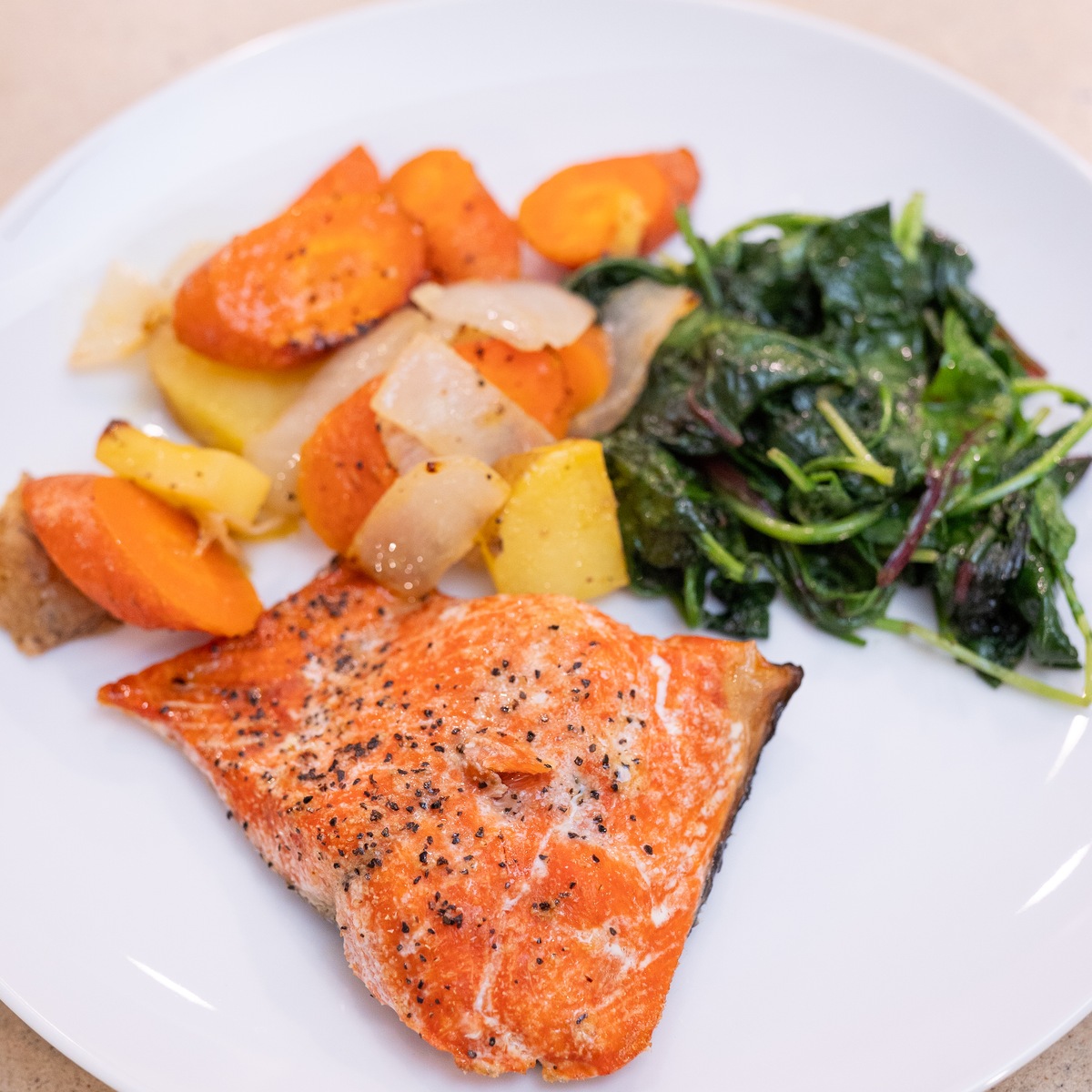
My printable anti-inflammatory food list uses the same four-part framework. You might also like my 7-day meal plan, although those meals aren’t specifically optimized for calcium.
What Food Can’t Do on Its Own
Food is only one part of healthy aging after menopause.
Resistance training matters. Protein is most effective for preserving muscle when paired with progressive resistance exercise, which also supports bone and metabolic health.
A bone density scan identifies risk. The US Preventive Services Task Force recommends osteoporosis screening for women 65 and older and for younger postmenopausal women at increased fracture risk.
Hormone therapy and osteoporosis medication are medical decisions and another topic to bring up with your medical provider. If you’re already on one, don’t stop it to try eating differently instead. Combine food, medicine, and lifestyle changes for optimal health after menopause.
Frequently Asked Questions
How Much Protein Do Women Need After Menopause?
For many healthy postmenopausal women, 1.0 to 1.2 grams per kilogram is a reasonable range to discuss with a healthcare provider. That’s about 68 to 82 grams for a 150-pound woman. Spread it across meals and combine it with resistance training.
Is Soy Helpful After Menopause?
A review of 19 randomized trials found that soy isoflavones modestly reduced hot-flash frequency and severity. A 2025 safety review found no estrogen-like effects based on estradiol, endometrial thickness, or vaginal maturation outcomes.
Can Changing Your Diet Help With Menopause Belly Fat?
It can support your overall health, but no food specifically removes abdominal fat. Falling estrogen changes where the body stores fat, while age, sleep, activity, genetics, and total intake also matter. Read more about belly fat in midlife.
Do I Have to Give Up Wine?
No, but you should assess how much and how often. The breast cancer risk climbs with each drink, so less is better. The bone risk doesn’t appear until around three drinks a day. If you drink most nights, try reducing the amount or the number of nights per week.
Do You Need Calcium or Vitamin D Supplements After Menopause?
Not automatically. Start with calcium- and vitamin D-rich foods. Supplements may be appropriate for inadequate intake, vitamin D deficiency, osteoporosis, malabsorption, or certain medications and health conditions. Ask your healthcare provider whether testing or supplementation is appropriate for you.
Is a Menopause Diet Different From a Perimenopause Diet?
The foods are the same. The reasons change. In perimenopause, you’re managing symptoms while hormones swing. After menopause, you’re protecting bone, heart, and muscle for the long run. My perimenopause guide covers the transition.
Takeaways
Eating after menopause doesn’t require a completely different diet. Build meals around protein, fiber-rich carbohydrates, healthy fats, and colorful plants, then give extra attention to calcium, vitamin D, and resistance training.
The goal is not dietary perfection. It is a repeatable eating pattern that protects your bones and heart, helps preserve muscle, and supports steadier blood sugar for the decades ahead.
Let’s get UNstuck and stay UNstuck!