

Most days, you have about 15 to 20 minutes and whatever is already in the fridge. Maybe you have 30 minutes for dinner on a less busy day, but breakfast and lunch often need to happen in five or ten minutes.
That is who these recipes are written for.
As a registered dietitian and busy mom, I chose and developed these anti-inflammatory recipes to work within real-life time constraints. Almost everything on this page takes ten minutes or less, and four recipes take only five.
Two recipes do take longer. The fresh salsa is 25 minutes, and almost all of that is chopping. The bone broth mostly cooks while you do other things, and you can make it ahead and store it for later.
Anti-inflammatory eating is often presented as a complete overhaul. Suddenly, you are supposed to replace your entire grocery list, stock your kitchen with unfamiliar ingredients, and start making complicated recipes from scratch.
But that is not realistic or sustainable for most busy women.
Instead, anti-inflammatory eating often comes down to what you add: more colorful plants, more fiber-rich foods, and enough protein and healthy fat to help you feel satisfied until your next meal.
Below, you will find every anti-inflammatory recipe on this site, organized by when you would actually eat it, with the total time beside each one. Some entries are collections rather than single recipes. My lunch and dinner roundups each open several ideas at once, so they don’t include a time.
First, we will look at the simple formula I use to build them. Once you understand that formula, you can adapt the recipes and meals you already enjoy.
What Makes a Recipe Anti-Inflammatory?
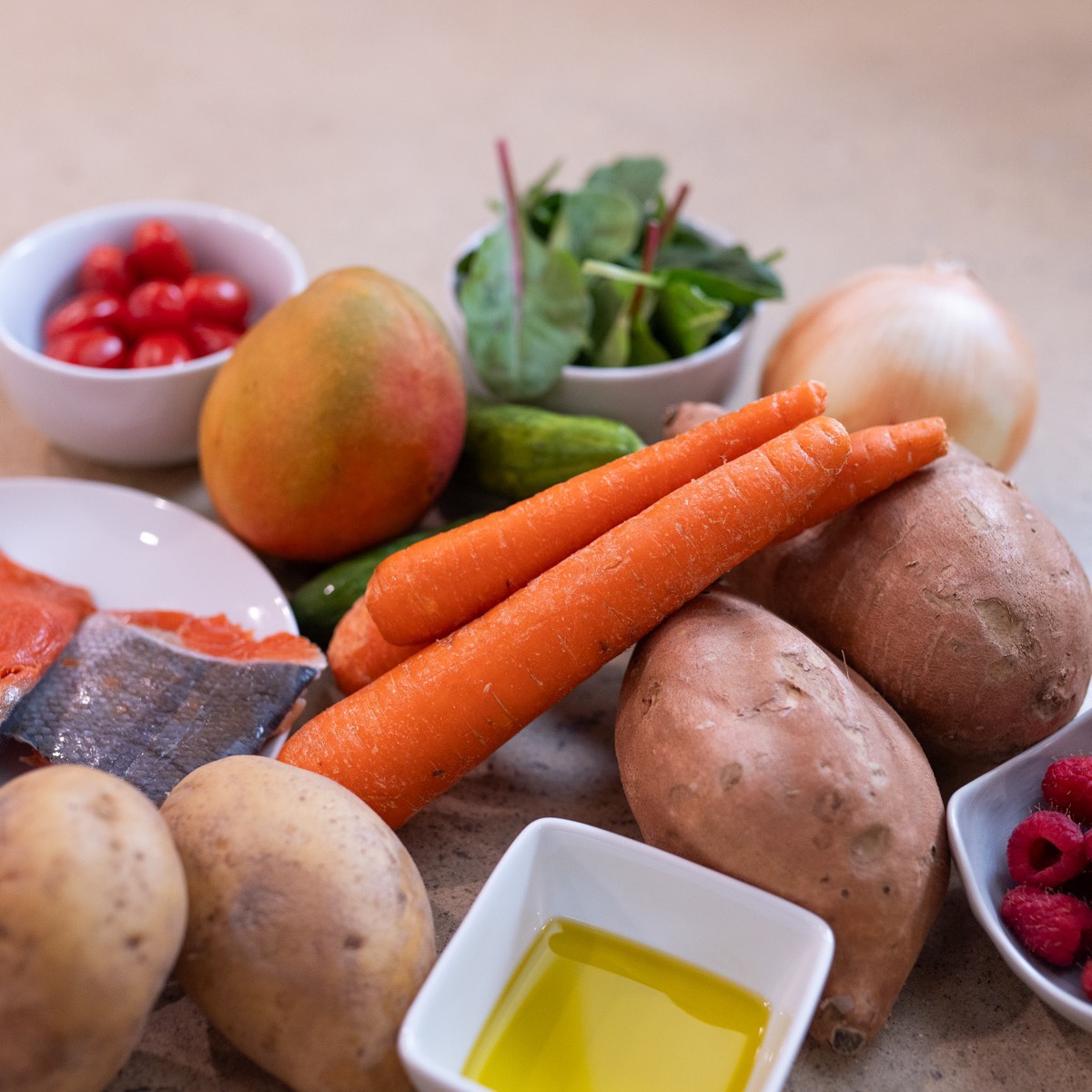
No single ingredient makes a recipe anti-inflammatory, and no recipe can lower inflammation on its own. What matters most is the overall pattern you eat most weeks.
Instead of memorizing a list of approved foods, use this simple formula:
Protein + Fiber-Rich Carbohydrates + Healthy Fats + Colorful Fruits and Vegetables
Some of the recipes below include all four and work as complete meals. Others are components you can add to a meal. Both are useful. Knowing what a recipe provides and what might be missing is the real skill.
Protein
Protein helps a meal keep you full longer. Pairing protein with carbohydrates can also support steadier blood sugar and energy instead of leaving you hungry again an hour later.
Easy sources include eggs, Greek yogurt, cottage cheese, beans, lentils, chicken, fish, and nut butters.
Many people could use more protein and some healthy fat at breakfast. A smoothie made with fruit alone may not hold you for long. Add Greek yogurt, kefir, cottage cheese, or nut butter to make it much more satisfying.
Fiber-Rich Carbohydrates
Fiber slows digestion, helps you feel full, and feeds the beneficial bacteria living in your gut.
Easy sources include oats, beans, lentils, berries, whole grains, fruits, and vegetables.
Most adults do not get enough fiber, so nearly any addition helps. You do not need to replace every carbohydrate you eat. Start by adding beans to a salad, berries to oatmeal, or vegetables to a meal you already make.
Healthy Fats
Fat makes food taste good and helps your body absorb certain vitamins and plant compounds from the foods you eat alongside it.
Easy sources include olive oil, avocado, walnuts, almonds, chia seeds, ground flax seeds, and fatty fish such as salmon.
A drizzle of olive oil over vegetables does more than improve the flavor. It also helps your body absorb and use some of their nutrients.
Colorful Fruits and Vegetables
Different-colored plants provide different antioxidants and polyphenols. Polyphenols are a class of plant-based compounds that act as antioxidants, and they also provide the bright, vibrant colors found in plant foods. Deep red, dark green, orange, blue, and purple foods each bring something different to your eating pattern.
The practical version is simple: add more than one color when you can. And remember it doesn’t have to match the meal cuisine. I add fresh raspberries to taco night out of practicality because my boys will eat them. Not necessarily because berries go well with tacos.
How to Use the Formula
All four parts are the goal when you are building a complete meal, but they are not a rulebook. The overall pattern matters more than any single meal or snack.
Take something you already eat and add what is missing. If breakfast is toast and coffee, adding an egg is real progress. Fruit can come next. Oatmeal with berries and peanut butter includes all four parts. So does chickpea salad made with tomatoes and olive oil.
Lunch has become one of my hardest meals now that all three of my boys are in school. I can get busy and suddenly realize it is well past time to eat. I am working on setting aside dinner leftovers I can quickly repurpose for lunch, or keeping ingredients on hand for a balanced smoothie.
That is the whole method. The recipes below are worked examples.
Learn more about what an anti-inflammatory diet looks like, or download my printable anti-inflammatory food list for more ideas.
Anti-Inflammatory Recipes You Can Make in 5 Minutes
If You Only Have Five Minutes
Need something now? These four recipes take about five minutes from start to finish.
- Anti-Inflammatory Oatmeal for a warm, filling breakfast
- Chocolate Banana Smoothie for breakfast or lunch
- Berry Powerful Smoothie for a quick meal or snack
- Quick Anti-Inflammatory Sauteed Greens for an easy vegetable side
Anti-Inflammatory Breakfast Recipes
I like to keep two or three breakfast ideas in rotation, then add something new depending on the season or what sounds good. In winter, warm breakfasts tend to win. In summer, I lean more toward smoothies.
Anti-Inflammatory Oatmeal
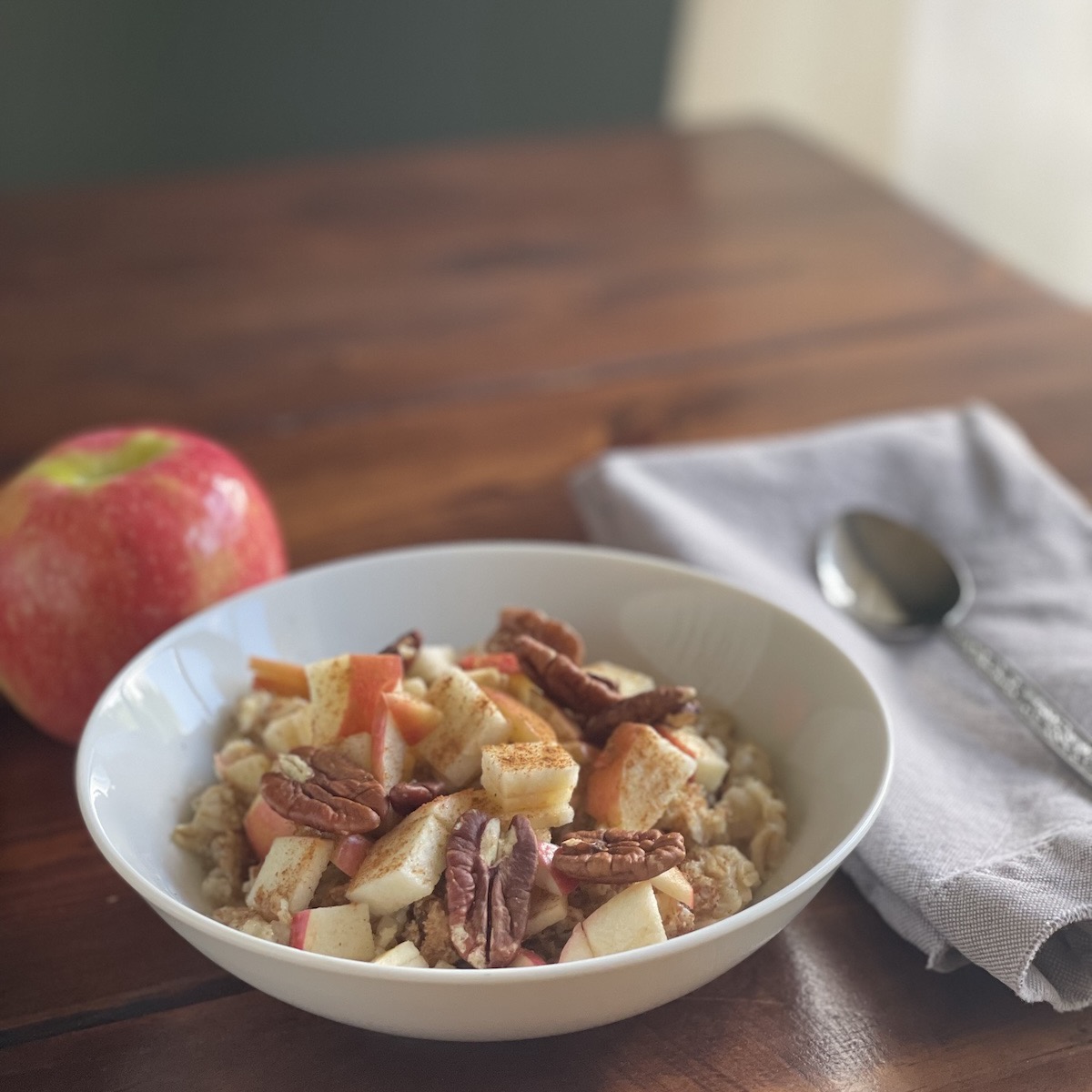
Recipe | 4 minutes | Breakfast
This oatmeal starts with oats, apple, cinnamon, and ground flaxseed. The oats and apple provide fiber-rich carbohydrates, the apple adds color, and the flaxseed contributes healthy fat.
To complete the four-part formula, add protein with Greek yogurt, cow’s milk or a higher-protein plant milk such as soy or pea, nut butter, or eggs on the side. The base recipe costs about $1.50 per serving and is easy to change based on what you have.
Best Anti-Inflammatory Breakfast for Women Over 40

Roundup | 5 ideas
This guide shows how to use the same four-part formula across five realistic breakfasts, including oatmeal, a balanced smoothie, eggs with vegetables and whole grains, dinner leftovers, and grab-and-go combinations.
You will also find foods to keep on hand, a sample breakfast week, and practical ways to add protein, fiber, healthy fats, and colorful plants without making mornings more complicated.
See all five breakfast ideas →
Anti-Inflammatory Smoothie Recipes
Smoothies are one of my favorite fallback meals when I am short on time, mental energy, or fresh groceries. I keep frozen fruit, ground flaxseed, nut butter, and kefir or yogurt available so I can blend breakfast or lunch in about five minutes.
However, a smoothie is not automatically a balanced or anti-inflammatory meal. Fruit, juice, and water provide carbohydrates and color, but they may not keep you full for long. Use the same four-part formula: colorful fruits or vegetables, fiber-rich carbohydrates, protein, and healthy fat. Frozen ingredients, pantry staples, and foods with a longer refrigerator life make these anti-inflammatory smoothie recipes especially practical for busy weeks.
Anti-Inflammatory Chocolate Banana Smoothie
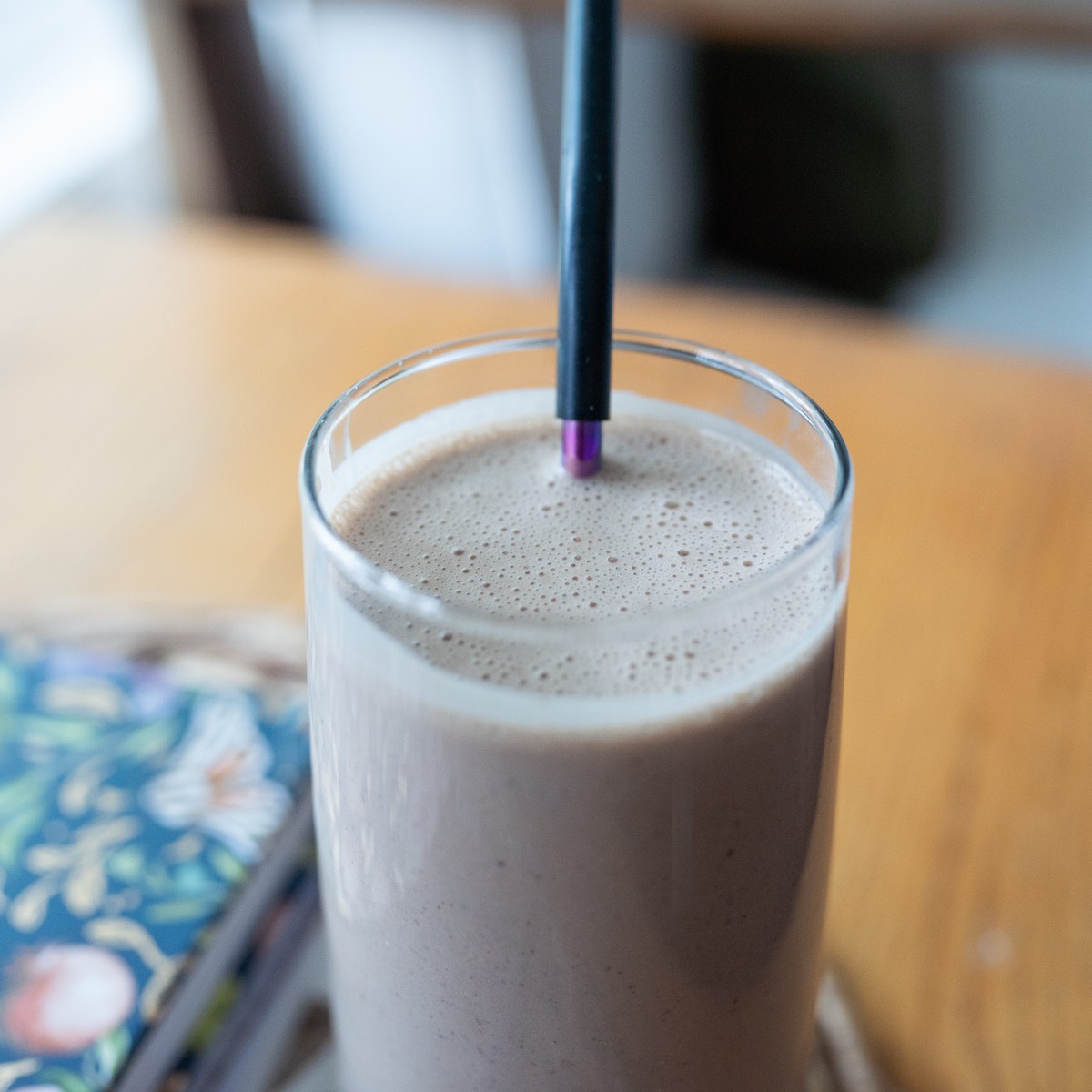
Recipe | 5 minutes | Breakfast, Lunch, or Snack
Banana and unsweetened cocoa powder provide fiber-rich carbohydrates and beneficial plant compounds. Kefir and peanut butter add protein, while peanut butter and ground flaxseed supply healthy fats.
Together, they create a creamy chocolate smoothie with 17 grams of protein and almost 9 grams of fiber. It works well as a quick breakfast or lunch and contains no added sugar. Its sweetness comes naturally from the banana and unsweetened kefir. I’m drinking this smoothie as I write this.
Get the chocolate banana smoothie recipe →
Berry Powerful Smoothie
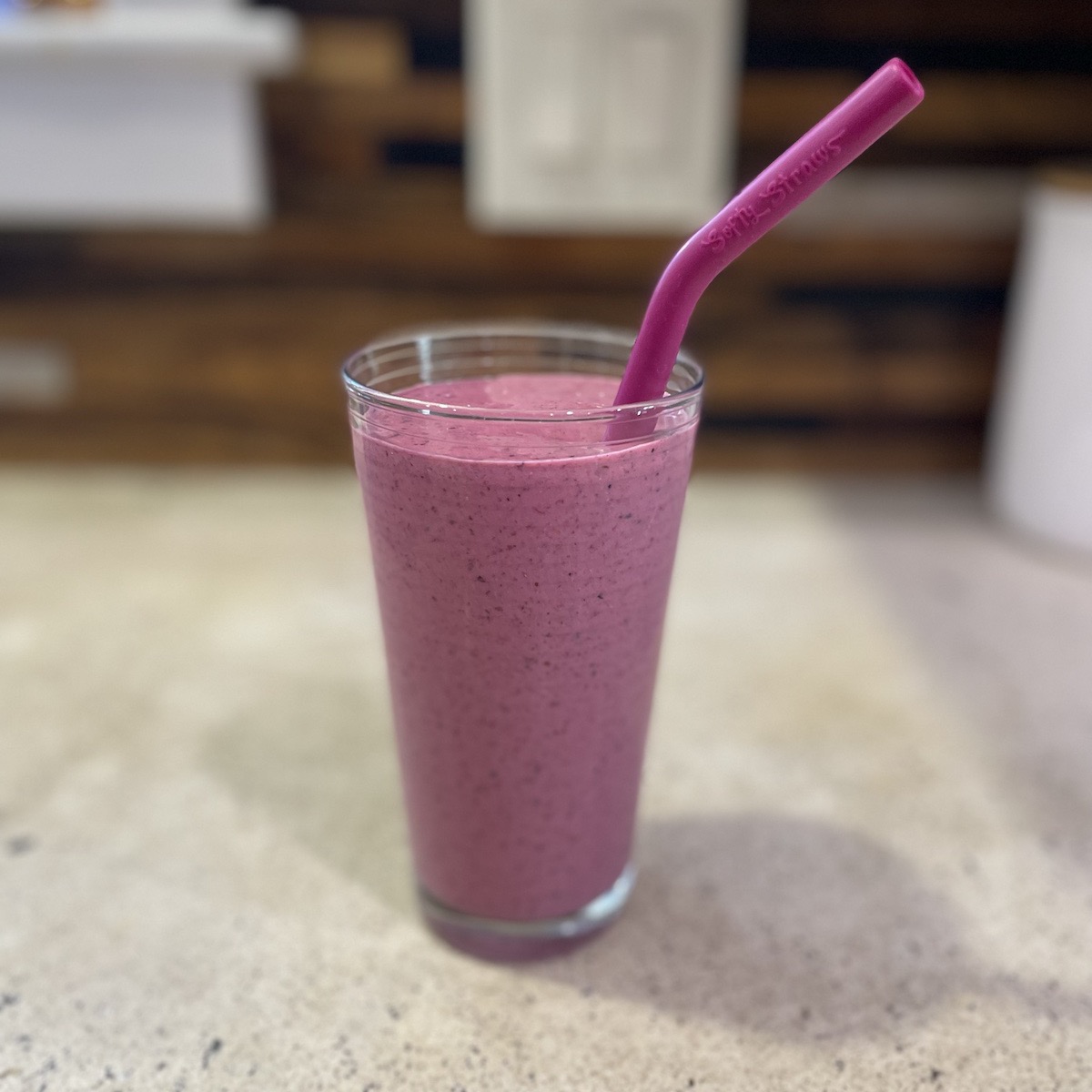
Recipe | 5 minutes | Breakfast or Snack
This three-ingredient smoothie combines mixed berries, kefir, and ground flaxseed. The berries add color, fiber, and antioxidants; kefir provides protein; and flaxseed contributes fiber and healthy fat.
It is an easy way to use frozen berries and requires minimal measuring or prep. If you are using it as a complete meal, add protein powder or pair it with another protein-rich food, like a hard-boiled egg on the side.
Get the Berry Powerful Smoothie recipe →
Mediterranean Diet Smoothies: A Dietitian’s Guide

Guide | How to build one
This guide shows you how to turn a basic smoothie into a filling, Mediterranean diet-inspired meal. Learn how to combine fruits and vegetables with protein and healthy fat, choose practical freezer and pantry ingredients, accommodate food allergies, reduce food waste, and adjust the formula based on what you have available.
Learn how to build a balanced Mediterranean diet smoothie →
Anti-Inflammatory Drinks
What you drink every day adds up, and most of my drinks are simple: coffee, tea, and sparkling water, with a few homemade ones mixed in.
Anti-Inflammatory Drinks: 13 I Actually Make and Buy
The coffee, teas, kefir, and sparkling drinks I actually make and buy, plus my hot cocoa and golden milk recipes. Includes what the research does and doesn’t show for each one.
Anti-Inflammatory Snack Recipes
Snacks aren’t required, but they can help when meals are spaced far apart, a meal isn’t quite enough, or life makes your eating schedule unpredictable. Treat them like mini-meals by combining two or three parts of the anti-inflammatory formula rather than expecting every snack to include all four.
Anti-Inflammatory Protein Balls
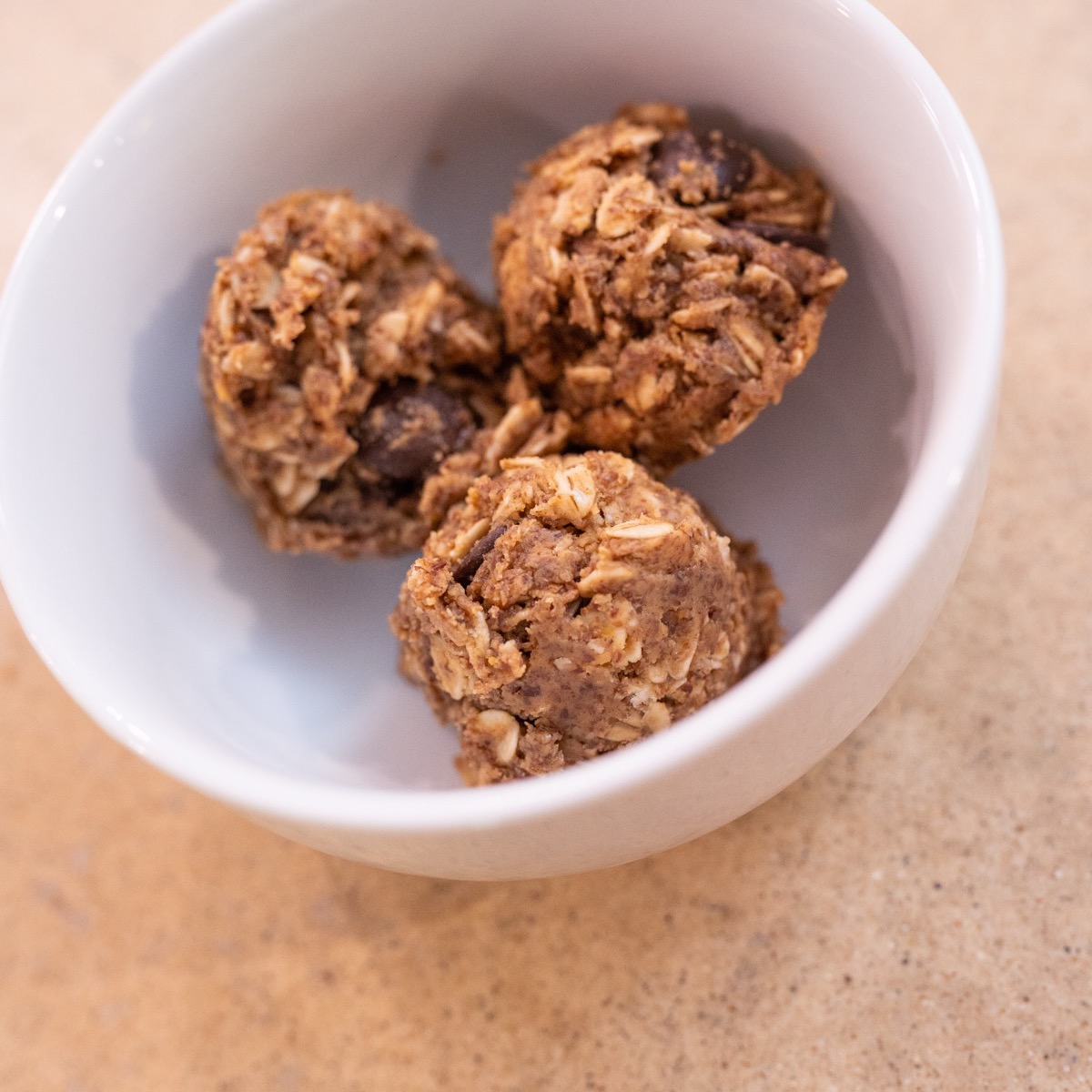
Recipe | 10 minutes | Snack or Meal Component
These no-bake protein balls combine oats, peanut butter, ground flaxseed, honey, vanilla, and your preferred add-ins. The oats and flaxseed provide fiber-rich carbohydrates, while peanut butter and flaxseed contribute protein and healthy fats. Two or three make a filling snack, or pair them with yogurt, milk, and fruit for a meal.
At about $0.28 per bite, they are also much less expensive than premade energy bites, which often cost $1 to $2 each.
Get the anti-inflammatory protein ball recipe →
10 Best Anti-Inflammatory Snacks to Buy

Roundup | 10 store-bought snacks
Not every snack needs to be made from scratch, or realistically should be. This roundup includes ten practical options you can find at the grocery store, including unsweetened trail mix, freeze-dried fruit, tuna pouches, Greek yogurt, roasted edamame, nuts, and protein bars.
You will also learn what to look for when comparing snacks for protein, fiber, healthy fats, added sugar, and portability.
See the 10 best anti-inflammatory snacks to buy →
Anti-Inflammatory Snacks for Hormone Balance

Guide | 12 ideas
This guide includes 12 balanced snack ideas for women navigating changes in energy, appetite, blood sugar, and cravings during midlife. Options include Greek yogurt with berries and seeds, apples with nut butter, cottage cheese with tomatoes, edamame, hummus with vegetables, and energy bites.
It also explains how to choose snacks for afternoon energy slumps, evening cravings, sleep, and unpredictable meal schedules.
See all 12 anti-inflammatory snack ideas →
Anti-Inflammatory Lunch Recipes
Lunch does not need to be a completely separate recipe. Start with a protein such as leftover chicken, canned tuna, beans, eggs, or Greek yogurt. Add a fiber-rich carbohydrate, colorful fruit or vegetables, and a healthy fat. Dinner leftovers may already provide several of those parts.
I recommend finding three or four lunches you enjoy and repeating them. That makes lunch planning feel more like choosing from a short list and less like answering an open-ended question every day.
Mediterranean Chickpea Salad
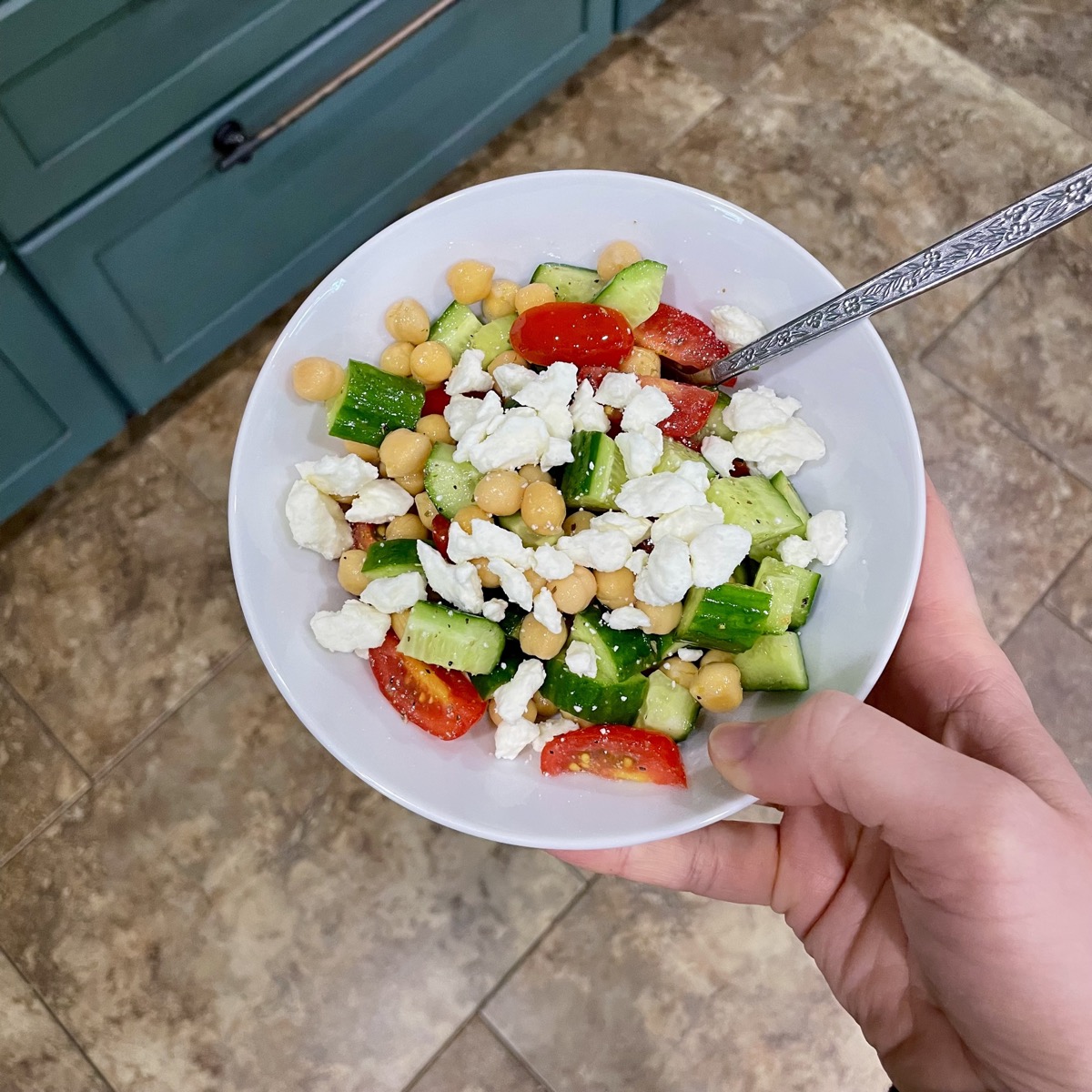
Recipe | 10 minutes | Lunch or Side
This no-cook salad combines chickpeas, tomatoes, cucumbers, olive oil, lemon juice, and herbs or spices. Chickpeas provide fiber-rich carbohydrates and plant protein, the vegetables add color, and olive oil supplies healthy fat.
It stays fresh in the refrigerator for three or four days. Add chicken, tuna, feta, or extra beans to make it a more filling main meal.
Get the Mediterranean chickpea salad recipe →
Quick Anti-Inflammatory Lunches for Midlife

Roundup | 12 lunch ideas
This collection includes 12 quick lunches organized into no-cook options, bowls and salads, and warm meals. Each idea combines protein, fiber-rich carbohydrates, healthy fats, and colorful plants.
You will also find practical ways to use convenience foods, repurpose dinner leftovers, and keep one or two backup lunches available for especially busy days.
See all 12 anti-inflammatory lunch ideas →
Teacher Lunch Ideas

Roundup | 11 packable lunch ideas
Teachers often have very little time to prepare or eat lunch, but these ideas work for anyone with a short or unpredictable lunch break. This guide includes 11 practical lunches designed to support steady energy during a busy day.
Use the ideas as written or apply the four-part formula to adjust them based on your preferences and what you already have.
See all 11 teacher lunch ideas →
Anti-Inflammatory Soup Recipes
Soup is the easiest way I know to get beans, vegetables, and protein into one bowl, and it makes enough to feed you twice.
Anti-Inflammatory Soup: 6 Easy Recipes I Actually Make
The chicken tortilla soup I make most, with the full recipe, plus five more that rotate through when it gets cold. Includes what I add to almost every pot and how I freeze portions so lunch is already handled.
Anti-Inflammatory Dinner Recipes
This is the smallest recipe section on the site right now. My current dinner resources focus on helping you choose and build balanced meals, not on providing individual recipes. I will add more standalone dinner recipes here as the collection grows.
For now, use the same formula at dinner: start with a protein, add a fiber-rich carbohydrate, include colorful vegetables or fruit, and use a healthy fat for cooking, dressing, or topping. Look at a dinner you already make and identify what’s missing. Sometimes completing the meal is as simple as heating frozen vegetables, adding a side of fruit, or drizzling olive oil over a salad.
12 Easy Anti-Inflammatory Dinner Recipes for Busy Women
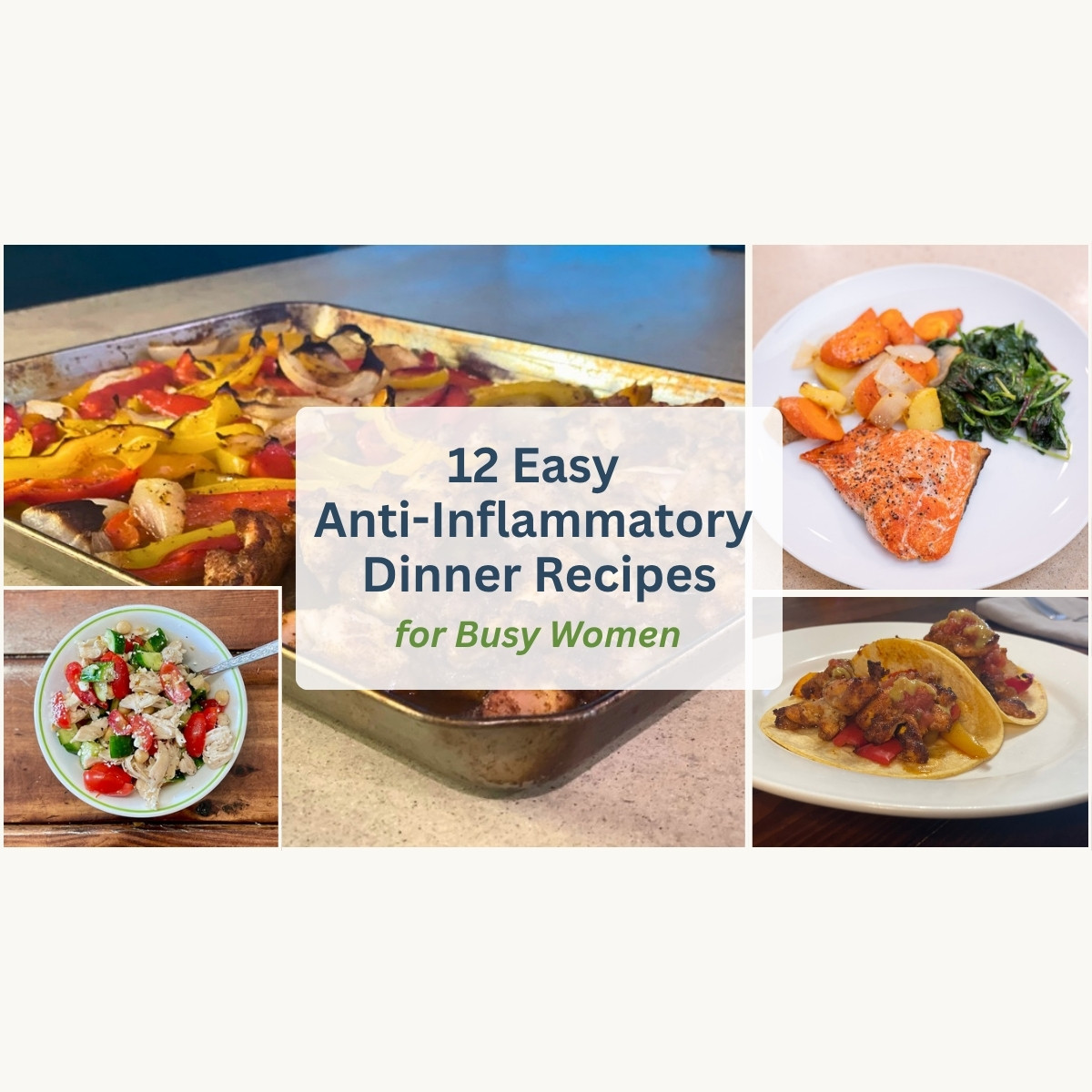
Roundup | 12 dinner recipes
This collection includes 12 realistic dinner recipes for busy weeknights, emphasizing shorter ingredient lists, balanced meals, and practical prep.
You will find sheet-pan meals, bowls, salads, soups, and other flexible options that combine protein, fiber-rich carbohydrates, healthy fats, and colorful plants without requiring you to learn a new way of cooking.
See all 12 anti-inflammatory dinner recipes →
Anti-Inflammatory Dinners: How to Quickly Plan a Meal

Guide | Plate method + 7 recipes
This guide teaches you how to plan an anti-inflammatory dinner using a simple visual meal-planning tool. It includes anti-inflammatory ingredients to keep on hand, foods to include less often, and seven dinner recipes created by registered dietitians.
Use it when you need help turning separate ingredients into a balanced meal or adapting a dinner your family already enjoys.
Learn how to quickly plan an anti-inflammatory dinner →
Anti-Inflammatory Sides, Sauces, and Extras
Not every recipe needs to be a complete meal. Sides, sauces, and cooking staples can fill in what’s missing. Salsa and sautéed greens add color and healthy fat, while bone broth can add protein and flavor to soups, grains, and other recipes. One of my boys practically drinks salsa. We joke that it is his vegetable smoothie, and his serving can come pretty close to filling half his plate with vegetables.
Anti-Inflammatory Fresh Salsa

Recipe | 25 minutes | Sauce, Side, or Topping
This fresh salsa combines tomatoes, red pepper, jalapeños, green onions, cilantro, garlic, lime juice, and olive oil. The vegetables add several colors, fiber, and beneficial plant compounds, while olive oil provides healthy fat.
Use it to add vegetables and flavor to eggs, tacos, grain bowls, grilled meat, salads, or snack plates. It keeps one simple batch useful across several meals.
Quick Anti-Inflammatory Sautéed Greens
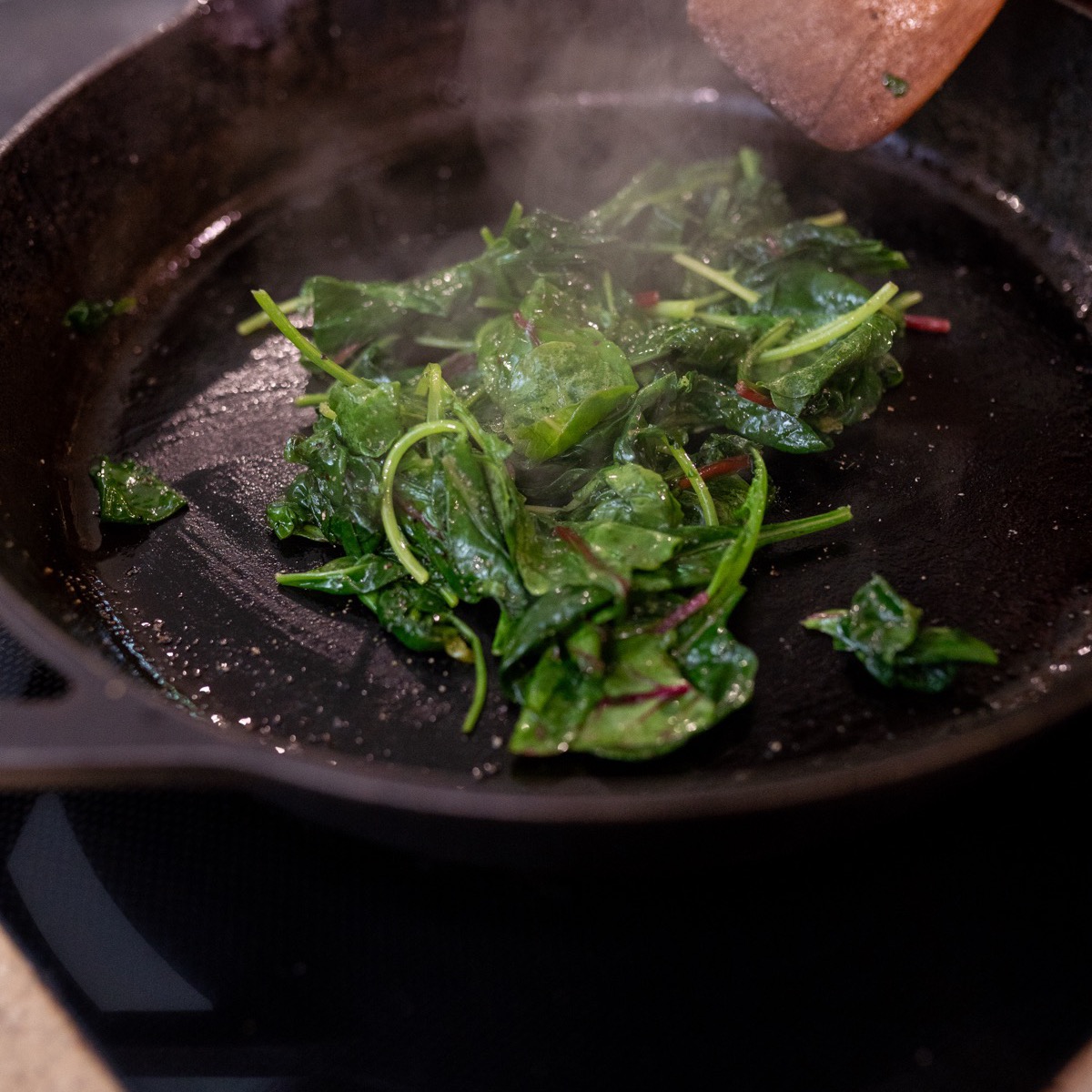
Recipe | 5 minutes | Vegetable side
Leafy greens, olive oil, and garlic turn into an easy cooked side in about five minutes. The greens provide color, fiber, and antioxidants, while olive oil supplies healthy fat and helps your body absorb certain nutrients.
Pair them with a protein and fiber-rich carbohydrate to complete the meal, or add them to eggs, soup, pasta, or a grain bowl. This is also a practical way to use greens before they wilt.
Get the sautéed greens recipe →
Homemade Beef Bone Broth
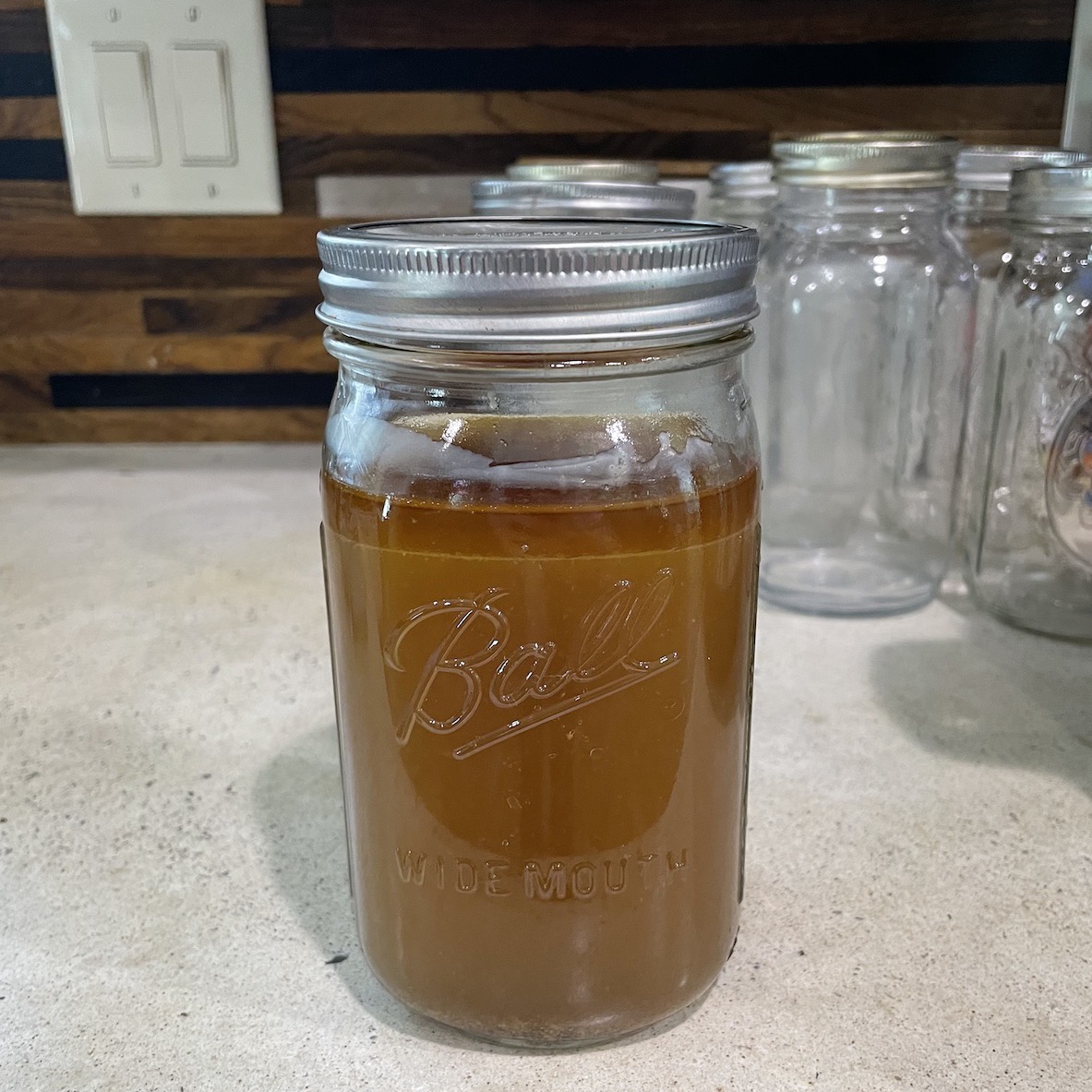
Recipe | 1 hour hands-on, then mostly unattended | Cooking staple
Bone broth does not belong in the same quick-recipe category as oatmeal or sautéed greens. It takes longer, but most of that time is the pressure cooker or slow cooker doing the work.
This recipe simmers beef bones with onions, carrots, celery, garlic, apple cider vinegar, and water. It makes about 16 cups for approximately $1.15 per cup and provides around 10 grams of protein per cup. Use it in soups, stews, gravies, rice, potatoes, or as a warm drink. Store it in the refrigerator for 3 to 4 days, or freeze it for up to 6 months.
Get the homemade beef bone broth recipe →
How to Build a Week of Anti-Inflammatory Meals
You do not need seven different breakfasts, lunches, and dinners to build an anti-inflammatory week. Choose two or three breakfasts, a few repeatable lunches, and three or four dinners. Plan to use leftovers, repeat meals you enjoy, and keep one backup option for days that don’t go according to plan.
As you choose meals, check for the same four parts: protein, fiber-rich carbohydrates, healthy fats, and colorful fruits or vegetables. Then make your grocery list from the meals you selected and what you already have in your kitchen.
For a complete example, use my 7-Day Anti-Inflammatory Meal Plan as a flexible template. For help creating your own repeatable system, read Meal Planning Basics for Busy Women.
FAQs
What makes a recipe anti-inflammatory?
No single ingredient makes a recipe anti-inflammatory. What matters is how the recipe fits into your overall eating pattern. Look for a combination of protein, fiber-rich carbohydrates, healthy fats, and colorful fruits or vegetables. A recipe does not need all four to be useful. It may be a complete meal, or you can add the missing component(s).
What anti-inflammatory meals can I make in under 10 minutes?
Try oatmeal with berries and peanut butter, Greek yogurt with fruit and nuts, eggs with sautéed greens and whole-grain toast, or a balanced smoothie. For lunch, use my Mediterranean Chickpea Salad with leftover chicken, or repurpose dinner leftovers. Start with what you already have and add what is missing.
For more ideas, see my meal-planning guide for busy women.
What does an anti-inflammatory breakfast look like?
An anti-inflammatory breakfast combines protein, fiber-rich carbohydrates, healthy fats, and colorful plants. That might look like oatmeal with berries and scrambled eggs, Greek yogurt with fruit and chia seeds, or leftover beef vegetable soup with a slice of whole-grain homemade bread (as I did this week).
You do not need a perfect breakfast. Start by adding what is missing most often, which for many people is protein or color.
Are smoothies anti-inflammatory?
Smoothies can be anti-inflammatory, but it depends on what you put in them. Fruit, juice, and water alone may not keep you full for long. Add a protein source such as Greek yogurt, kefir, cottage cheese, or protein powder, along with a healthy fat such as nut butter, chia seeds, or ground flaxseed.
Frozen fruit and vegetables make smoothies an especially practical option when you are short on time or fresh groceries.
What anti-inflammatory snacks can I buy instead of making them?
Anti-inflammatory snacks do not have to be homemade. Look for convenient options that cover two or three parts of the formula, most often protein, fiber, and healthy fat, and check the label for added sugar.
See my complete list of the 10 best anti-inflammatory snacks to buy.
Takeaways
Anti-inflammatory eating is a pattern, not a single recipe. Build meals from four parts: protein, fiber-rich carbohydrates, healthy fats, and colorful fruits and vegetables.
You do not need all four this week. Take a meal you already make and add the missing part. Most meals get there faster than you would expect.
Almost everything on this page takes ten minutes or less, so pick one and make it this week.
If you want a full week already planned, download my 7-Day Anti-Inflammatory Meal Plan.