

When you have polycystic ovary syndrome (PCOS), you’re often told just to lose weight or to follow a strict diet. Neither is helpful or realistic for someone with PCOS (or without it). The syndrome itself makes weight harder to manage, and your body is already working hard to keep your hormones in balance.
Balanced meals, staying active, and losing weight can all help manage PCOS and regulate your hormones. Eating well helps even when the scale doesn’t move, too. Still, years of routines and eating habits can feel impossible to change.
I didn’t know I had PCOS (or severe endometriosis) until I saw a reproductive endocrinologist after almost five years of infertility. My work and interest in nutrition as a dietitian had already helped me manage it without knowing. However, my body was still affected by the syndrome, and PCOS was one piece of the infertility puzzle. Through surgeries and recovery, I took metformin to prepare for pregnancy and continued it through my first pregnancy.
Later, as a dietitian at a women’s health clinic, I counseled women with PCOS, infertility, gestational diabetes, and high insulin in perimenopause. This 7-day PCOS diet plan uses the same anti-inflammatory approach and plate method I taught them and still use myself, built around one simple habit: pair every carb, so you never eat a naked carb. PCOS doesn’t stop at menopause. This plan is for midlife, too.
In May 2026, PCOS was renamed polyendocrine metabolic ovarian syndrome (PMOS), but nothing about the diagnosis changed, so I’ll keep calling it PCOS.
Want to start the meal plan? Jump to the 7-day PCOS diet plan or download the free 7-day PCOS diet plan PDF.
PCOS Doesn’t Stop at Menopause
PCOS has lifelong effects on your hormones and how your body uses energy. Those effects can raise your health risks even after your cycles stop. As you move toward and through menopause, some parts of PCOS improve while others stay higher:
- Cycles often regulate. In the years before menopause, periods tend to become more regular.
- Androgens and inflammation can stay higher. Androgen levels stay higher after menopause, and in one small study, CRP also stayed higher.
- Blood sugar risk stays higher. Across 23 studies of more than 60,000 women with PCOS, the risk of type 2 diabetes was about 3.5 times higher, and that risk carries into midlife and beyond. Blood pressure tends to rise after menopause for all women, which makes heart-healthy eating even more important.
- Fatty liver is more likely. PCOS more than doubles the chance of fatty liver, at any weight.
Research in women after menopause is still limited, and studies on actual heart attacks and strokes show mixed results. Still, the habits in this plan matter just as much at 50 as they did at 25. Maintaining muscle helps, too, since more muscle relative to your body size is linked to less insulin resistance, and after menopause, strength training improves bone density in the spine and hips. For more on eating through this stage, see my anti-inflammatory diet for perimenopause guide.
What Does Inflammation Have to Do With PCOS?
Across 31 studies of more than 3,600 women, C-reactive protein (CRP), a blood marker of inflammation, was nearly twice as high in women with PCOS, even after weight was taken into account.
Most diet studies on PCOS show more consistent improvements in insulin and hormones than in inflammation markers. So in this meal plan, “anti-inflammatory” describes a way of eating built from foods linked to lower inflammation. That same pattern also supports your insulin and blood sugar, hormones, and cycles.
The PCOS Insulin Cycle, and How to Interrupt It
My favorite way to help women make real change is to explain, in clear terms, what’s happening with insulin. Insulin resistance is central to PCOS, so you may respond poorly to insulin from the start. When your cells don’t respond well to insulin, your body makes more to keep your blood sugar in range. Over time, that extra insulin pushes the ovaries to make more androgens, which can disrupt ovulation and your cycle.
In PCOS, this can become a feedback loop, and what you eat and how much you sit can keep it going. The good news is that you can change both.
When I counseled women with PCOS, we started with food and drink changes, then added movement.
Never a Naked Carb
A naked carb is a carbohydrate eaten on its own, like a soda or a handful of crackers. Instead, I encourage pairing every carb with protein, healthy fat, fiber, or a mix of all of these.
Many of the women I counseled craved refined carbs like candy, chips, or soda, often because their meals weren’t fueling them well. A carb on its own can spike your blood sugar; insulin brings it back down, and then you feel low and reach for something to bring it back up. In a study of more than 1,000 adults wearing glucose monitors, people whose blood sugar dipped 2 to 3 hours after a meal felt hungrier sooner and ate more over the rest of the day. A nutrient-dense mix of protein, fiber-rich carbohydrates, healthy fats, and colorful fruits and vegetables helps you get off that rollercoaster and keeps your blood sugar and insulin steadier through the day.
- Pairing slows the spike. Eating carbs with protein and vegetables blunts the blood sugar rise compared with eating carbs first. Protein and fat slow how fast your stomach empties.
- Sweets and soda can stay. If you’re not ready to give them up, pair them with a meal instead of eating them on their own to help blunt the effect.
- Keep your expectations realistic. These studies measured single meals over a few hours, and none were in women with PCOS. Pairing makes a meal easier on your blood sugar, but it won’t fix insulin resistance on its own.
I paired my carbs this way through all three of my pregnancies to help prevent gestational diabetes, along with walking 3 to 5 miles a day and checking my own blood sugar. My fasting (morning) numbers still ran higher than my doctor preferred, usually 100 to 105. A small bedtime snack with 15 grams of carbs or less and 10 to 20 grams of protein brought them down. Years later, my CGM experiment with evening snacks taught me the same lesson.
Is There a Best Diet for PCOS?
Nutrition can support metabolic and reproductive health in women with PCOS, but research has not established one ideal diet. A sustainable eating pattern that supports blood sugar regulation and overall health is a reasonable starting point.
- No single PCOS diet wins. The 2023 international guideline found no evidence that one diet works better than another. Across 28 meta-analyses, diet trials in PCOS showed low-certainty results at best.
- Strict diets can backfire. The guideline warns against “unduly restrictive” eating, and women with PCOS have higher odds of eating disorders at every weight.
- You don’t have to lose weight to benefit. Healthy eating helps PCOS “even in the absence of weight loss.”
Weight is the number most women with PCOS are told to watch, but it can miss progress. In a randomized trial, women with PCOS who had health coaching lost almost an inch more around the waist than women who didn’t, even though their weight changed the same amount, so track your waist, your strength, your energy, and how your clothes fit.
This meal plan leans Mediterranean because it has the strongest evidence for improving insulin resistance in related conditions like type 2 diabetes and fatty liver, and early PCOS research looks promising. It’s also a pattern you can keep, which matters more than a strict short-term diet.
If you’ve tried diet after diet, start small: the free 7-day PCOS diet plan PDF gives you a week of balanced meals to try without starting over again.
PCOS Foods to Eat, With Research Behind Them
I taught women with PCOS a simple plate method instead of a diet, and it’s the same one I use today and across my articles. Every balanced anti-inflammatory meal has four parts: protein, fiber-rich carbohydrates, healthy fats, and colorful fruits and vegetables. Each part helps PCOS.

Fiber-Rich Carbohydrates
You don’t have to cut carbs, just switch the type. In a small set of trials, high-fiber and low-glycemic eating improved insulin resistance and LDL cholesterol.
Good everyday high-fiber foods for PCOS are:
- Oats and whole-grain bread
- Beans, lentils, and chickpeas
- Brown rice, quinoa, and potatoes with the skin
- Fruit, paired with protein or fat
Beans and whole grains contain magnesium, which women with PCOS tend to eat less of.
Protein
Aim for protein at every meal and snack. When diets with the same calories were compared, higher-protein eating lowered insulin resistance and didn’t affect weight. Eggs, Greek yogurt, kefir, chicken, turkey, beans, and fish all count. Plus, dairy doesn’t need to be avoided (more on that in the FAQ).
Try fish twice a week. In PCOS trials, omega-3 supplements improved insulin resistance and triglycerides. While those trials used capsules, salmon and sardines are rich sources of omega-3s.
Healthy Fats
Olive oil, avocado, nuts, natural peanut butter, and ground flaxseed are the backbone of the Mediterranean pattern. They haven’t been studied on their own in PCOS, but they round out a meal, and fat slows stomach emptying, which helps reduce the blood sugar spike from carbs.
Colorful Fruits and Vegetables
Fill the rest of your plate with color. Women with PCOS show more signs of oxidative stress, a kind of wear and tear on cells that antioxidants help counter, even after accounting for weight. Diets richer in antioxidants from fruits, vegetables, and other plant foods are linked to lower odds of PCOS. In a 2026 study, women with PCOS who ate fewer antioxidants had more inflammation and insulin resistance. These studies show associations, not causation, but they point in the same direction as the rest of this plan.
Pair fruit with protein or fat at snack time, and add vegetables to lunch and dinner, sautéed, roasted, or in soup.
| Focus on… | Why for PCOS? | In this week’s plan: |
| Whole grains, oats, beans | More fiber, and magnesium (often low in PCOS) | Oatmeal, brown rice, chili, chickpea salad, hummus |
| Protein at each meal | Lower insulin resistance in trials | Eggs, Greek yogurt, kefir, chicken, beans |
| Fish | Omega-3s | Salmon on Day 1, leftovers on Day 2 |
| Olive oil, avocado, nuts | Mediterranean pattern, more fiber | Every dinner, avocado toast, snacks, walnuts |
| Colorful fruits and vegetables | Antioxidants; oxidative stress runs higher in PCOS, carb quality, more fiber | Berries, greens, salsa, fruit or veggies at snacks and meals, salads, cooked vegetables |
For more ideas by food group, see my easy anti-inflammatory food swaps.
A 7-Day PCOS Diet Plan
Every day below follows the plate method, with protein at each meal and every carb paired. Most lunches are leftovers from the night before, so you cook once and eat twice. Swap any meal for another one with the same four parts.
Day 1
Breakfast: Oatmeal with berries, ground flaxseed, and peanut butter, with a hard-boiled egg on the side
Lunch: Mediterranean chickpea salad with chicken and a piece of fruit
Snack: Apple with peanut butter
Dinner: Salmon with roasted potatoes and sautéed greens
PCOS note: Cook extra salmon and potatoes for Day 2 lunch.
For more ideas, see my anti-inflammatory breakfasts for women over 40.

Day 2
Breakfast: Greek yogurt with berries and walnuts
Lunch: Leftover salmon over a big salad
Snack: Hummus and carrots
Dinner: Sheet pan chicken fajitas with corn tortillas and fresh salsa
PCOS note: Every meal has protein (plant or animal-based): yogurt, walnuts, salmon, hummus, chicken.

Day 3
Breakfast: 2 eggs on whole-grain toast with sautéed vegetables and a handful of berries
Lunch: Leftover fajita chicken bowl with brown rice, salsa, and avocado
Snack: Diced tomatoes with cottage cheese
Dinner: Vegetarian chili with three kinds of beans and a side salad
PCOS note: Three kinds of beans in the chili provide fiber, affordable plant-based protein, and magnesium. Make the full pot for Day 4 lunch.
Day 4
Breakfast: No-bake energy bites with fruit and kefir
Lunch: Leftover chili over a small baked sweet potato
Snack: Whole-grain crackers with cheese and dark chocolate (70% cacao or higher)
Dinner: Crustless vegetable frittata with fruit
PCOS note: Dark chocolate is here on purpose, paired with crackers and cheese. That’s the habit for sweets and soda this week: nothing is off-limits, but keep them with a meal or snack that has protein, fat, or fiber.
Day 5
Breakfast: Chocolate banana smoothie made with kefir, banana, peanut butter, unsweetened cocoa powder, and ground flaxseed
Lunch: Leftover frittata with a piece of fruit
Snack: Grapes with plain Greek yogurt, or anything from my 12 snack ideas for women in midlife
Dinner: Chicken tortilla soup, made as a big pot
PCOS note: Tonight is soup night, so cooking is super simple. Use the time to walk or try some strength work: squats, push-ups against the counter, a few hand weights. Plus, the chocolate smoothie feels indulgent, but it has 17 grams of protein and almost 9 grams of fiber.

Day 6
Breakfast: Avocado toast with eggs and fruit
Lunch: Leftover chicken tortilla soup
Snack: Pear with mixed nuts
Dinner: Turkey and black bean tacos
PCOS note: I’m often tired of cooking by the end of the week, so I lean on leftovers.
Day 7
Breakfast: Whole-wheat toast with a fried egg and berries
Lunch: Berry Powerful smoothie with a scoop of Greek yogurt or a low-added-sugar protein powder
Snack (evening): Greek yogurt with 1 tbsp natural peanut butter and 5 to 10 dark chocolate chips
Dinner: Spaghetti with tomato-mushroom sauce, ground chicken, and green beans
PCOS note: Smoothies became a regular breakfast or lunch for me, and a scoop of yogurt or protein powder turns it into a meal. My favorite evening snack on Day 7 is sweet, with protein and fat, and only a little sugar.
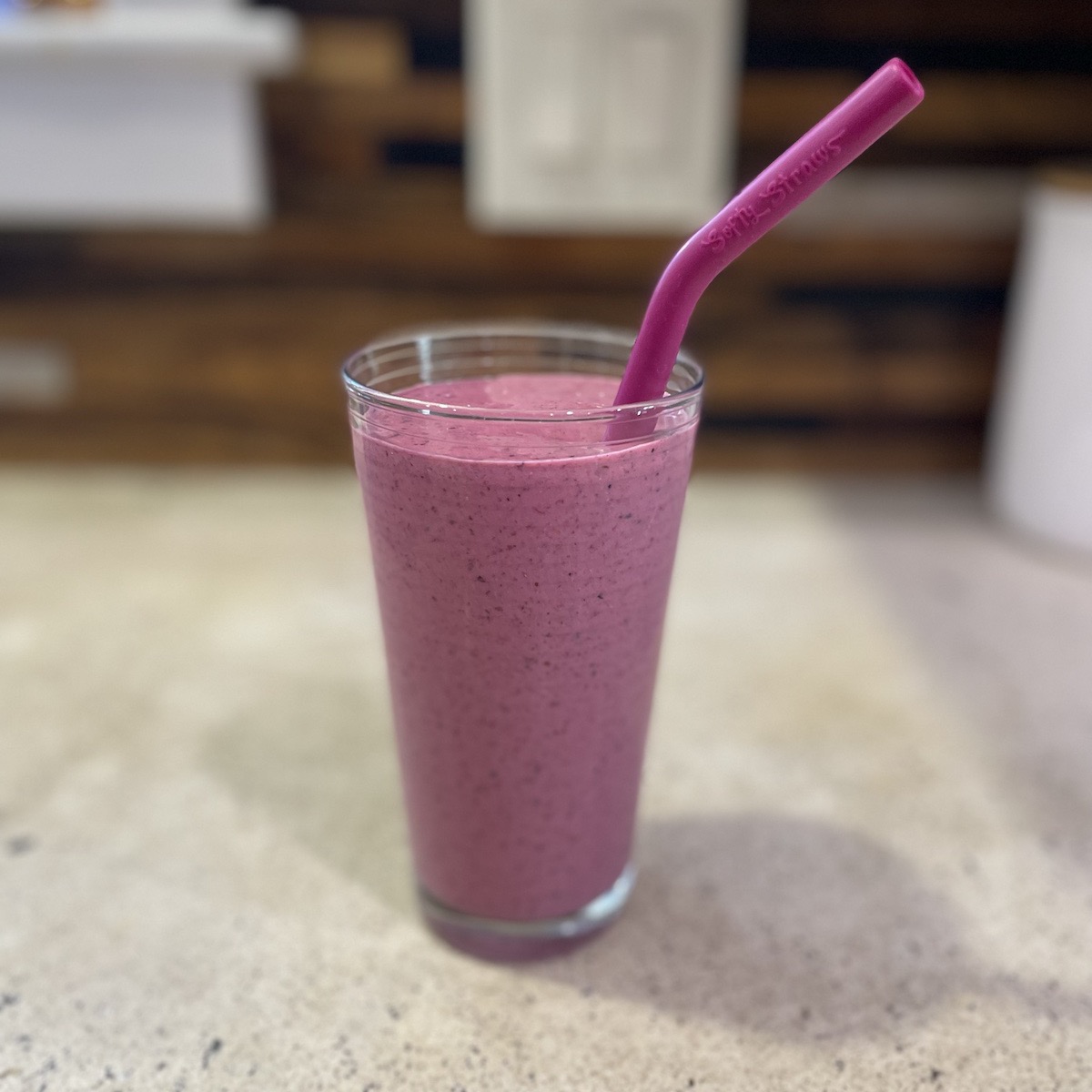
Look back at the week and keep meals and snacks that felt easy and tasted good.
And, if it’s been a while, ask your doctor about a blood sugar check and a cholesterol panel; guidelines recommend both for everyone with PCOS.
Your Free 7-Day PCOS Diet Plan PDF
Prefer this plan on paper? The free 7-day PCOS diet plan PDF has all seven days of PCOS meals and a Build Your PCOS Plate page you can stick on the fridge. Use the plate page after this week, too, any time you build a meal of your own.

Frequently Asked Questions
Do I Need to Cut Dairy for PCOS?
No. Evidence linking dairy to PCOS is limited, and in trials where women improved, they cut starchy foods at the same time, so you can’t separate dairy’s effect. This week’s plan includes Greek yogurt, kefir, cottage cheese, and cheese as protein sources. If dairy bothers your stomach because of lactose intolerance, fermented options like yogurt, kefir, and cheese are often well tolerated.
Should I Go Gluten-Free for PCOS?
Not unless you have celiac disease or a diagnosed gluten sensitivity. No trial has tested a gluten-free diet for PCOS. Cutting gluten often means cutting whole wheat, barley, and rye, the whole grains women with PCOS already tend to eat less of, and the guideline warns against unnecessarily restrictive diets. If you have gut symptoms, ask your doctor about celiac testing before you cut gluten. My Hashimoto’s thyroiditis diet article takes the same approach. Incorporating more whole foods into your diet is a great first step.
What About Inositol or Other Supplements?
The 2023 international guideline calls inositol’s benefits limited and doesn’t recommend a specific type or dose. It may help some women with more regular cycles and a few lab values, and it tends to be gentler on the stomach than metformin. If you’re curious, talk with your doctor before you start, especially if you’re pregnant, trying to conceive, or already taking metformin.
Takeaways
PCOS is a lifelong condition centered on insulin. Balanced meals and paired carbs help keep blood sugar and insulin steadier at every stage, including after menopause.
There’s no single PCOS diet; however, a Mediterranean-style pattern built on the plate method is one you can follow your entire life. You don’t need to cut carbs, dairy, or gluten. Instead, opt for fiber-rich carbs and avoid eating a naked carb. Track your progress with non-scale victories, like your waist measurement and how your clothes fit.
Start with one week. Grab the free 7-day PCOS diet plan PDF, and for midlife, read my anti-inflammatory diet for perimenopause guide.
Let’s get UNstuck and stay UNstuck!